Educational Insights on Men's Wellness After 40
Explore informational content about daily routines, physical activity, nutrition contexts, and social wellbeing for men in their mature years. This resource provides educational material only.
Educational content only. No medical services. No promises of outcomes.
Explore Topics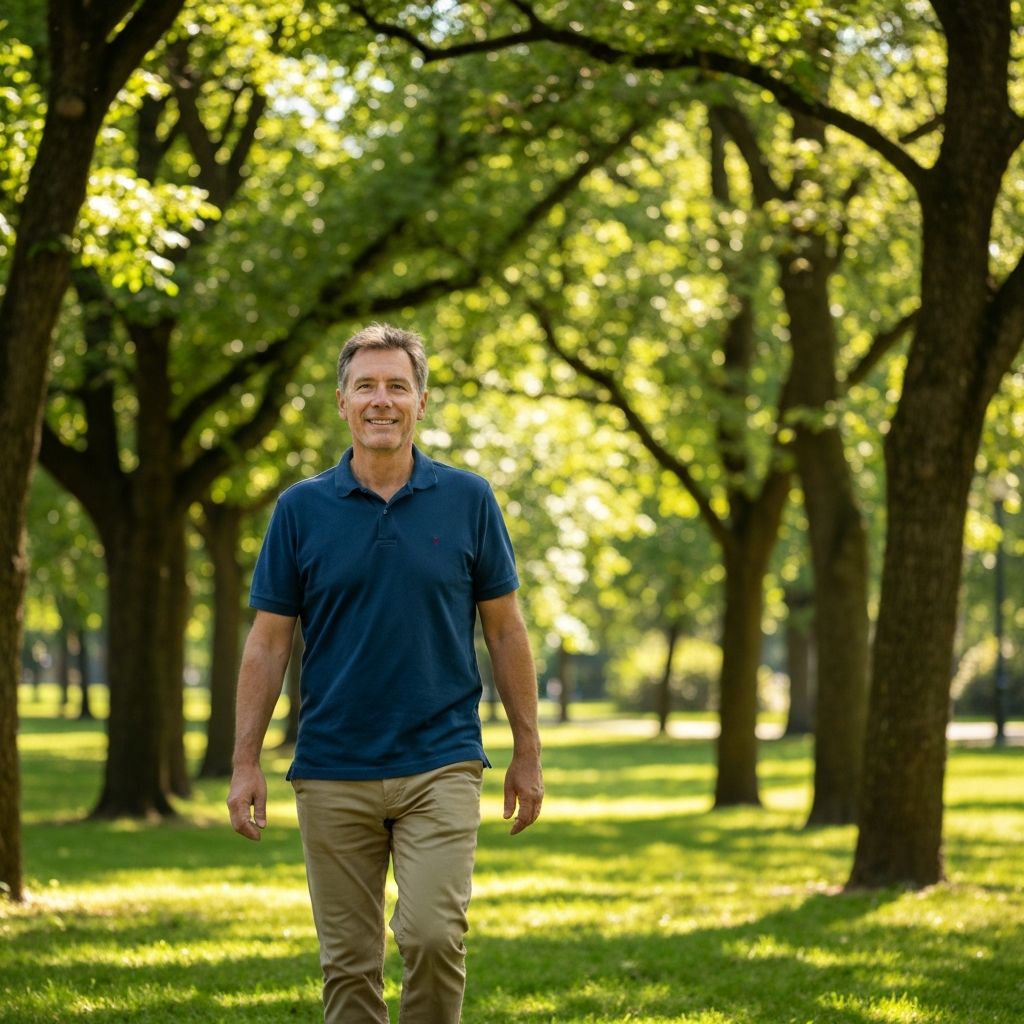
Overview of Wellness After 40
The concept of wellness encompasses various aspects of daily life, including physical activity patterns, nutritional considerations, mental engagement, and social connections. For men over 40, understanding these interconnected elements provides a foundation for informed lifestyle choices.
Research literature describes how daily habits and routines may influence overall quality of life during mature years. This educational overview presents general information about wellness concepts as discussed in various academic and public health sources.
Different cultures and communities approach wellness in diverse ways, reflecting local traditions, available resources, and social structures. This diversity highlights that there is no single approach to daily wellbeing.

Information Context
This section provides general educational information only. Individual circumstances vary significantly. The content does not constitute personal recommendations or replace professional consultation.
Healthy Daily Routines
Daily routines form the framework of everyday life. Educational literature often discusses how structured daily patterns may contribute to a sense of order and purpose. Common elements mentioned in wellness education include:
- Morning activities and their role in starting the day
- Work-rest balance throughout daytime hours
- Evening wind-down practices described in various sources
- Sleep hygiene concepts from educational materials
These patterns are discussed in general terms across many educational resources. How individuals structure their days varies based on personal circumstances, cultural background, and life situations.

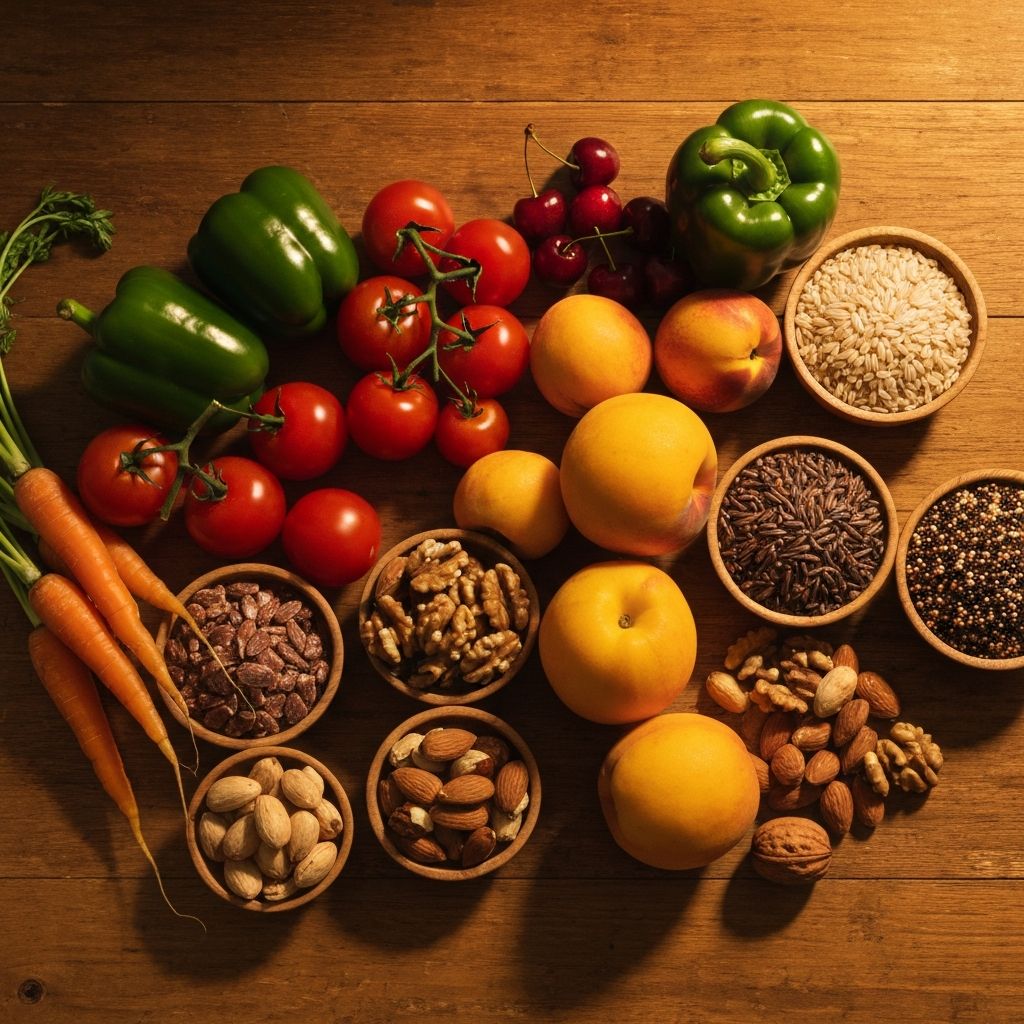
Nutrition and Lifestyle Contexts
Nutritional concepts form a significant part of wellness education. General information about food groups, eating patterns, and their relationship to daily energy is widely available in educational settings.
Key topics commonly covered in nutrition education include:
- Basic food group categories and their general characteristics
- Hydration concepts discussed in educational materials
- Cultural variations in eating patterns worldwide
- General information about meal timing and structure
Nutritional needs and preferences vary greatly among individuals based on numerous factors. Educational content aims to provide context rather than specific guidance.
Educational Note
Nutritional information presented here is for general educational purposes. Dietary needs differ among individuals. This content does not provide dietary recommendations.
Physical Activity Insights
Physical activity is a topic frequently addressed in wellness education. General information about movement, exercise concepts, and their discussion in educational literature provides context for understanding this aspect of daily life.
Movement Concepts
Educational materials describe various forms of physical movement, from walking to structured exercise. The diversity of activities reflects different preferences, abilities, and cultural contexts.
Activity Contexts
Different settings and circumstances influence how physical activity is approached. Workplace environments, home settings, and community resources all play roles described in educational literature.
Physical activity patterns and capabilities vary significantly among individuals. Educational content provides general context only.
Psychological and Social Wellbeing
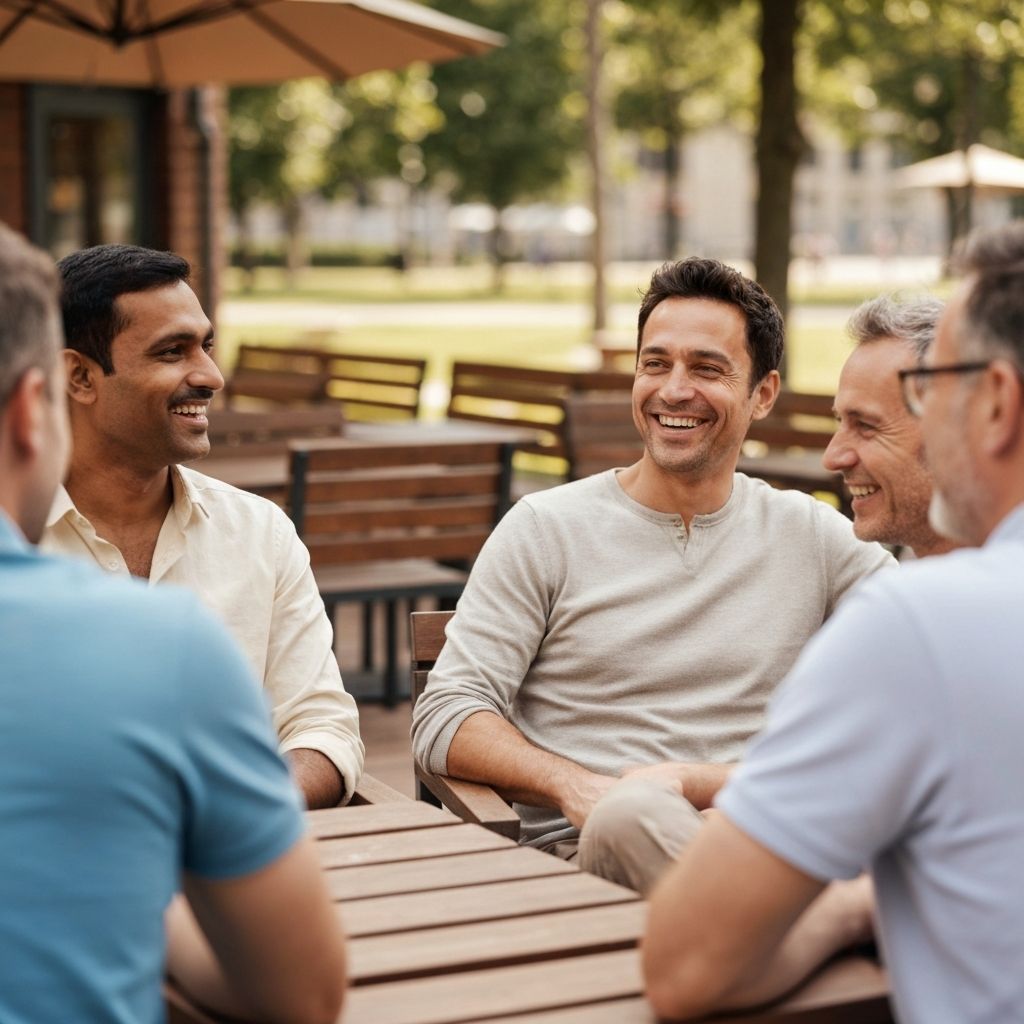
Mental and social aspects of wellbeing are increasingly discussed in educational contexts. These topics encompass emotional awareness, social connections, and cognitive engagement.
Common themes in educational materials include:
- The role of social connections in daily life
- Concepts of stress and relaxation from educational sources
- Cognitive activities and mental engagement
- Community involvement and its various forms
Psychological and social experiences differ greatly among individuals and communities. Cultural factors, personal history, and current circumstances all influence these aspects of life.
Cultural Approaches to Aging
Different cultures around the world have developed various perspectives on aging and mature life stages. Educational exploration of these approaches reveals the diversity of human experience.
Eastern Perspectives
Many Eastern traditions emphasize concepts of harmony, balance, and intergenerational connection. These perspectives are studied in cultural and anthropological educational contexts.
Western Contexts
Western educational literature often discusses active aging, independence, and continued engagement. These concepts reflect particular cultural values and social structures.
Regional Variations
Local traditions and community practices create unique approaches to mature life stages. These variations demonstrate the adaptability of human social structures.
Cultural information is presented for educational purposes to illustrate global diversity in approaching life stages.
Common Challenges and Educational Notes
Educational resources often address common experiences and challenges that may be encountered during mature life stages. Understanding these topics provides context for general awareness.

Routine Adjustments
Life transitions often require adjustments to daily patterns. Educational materials discuss how routines may evolve over time based on changing circumstances and life stages.
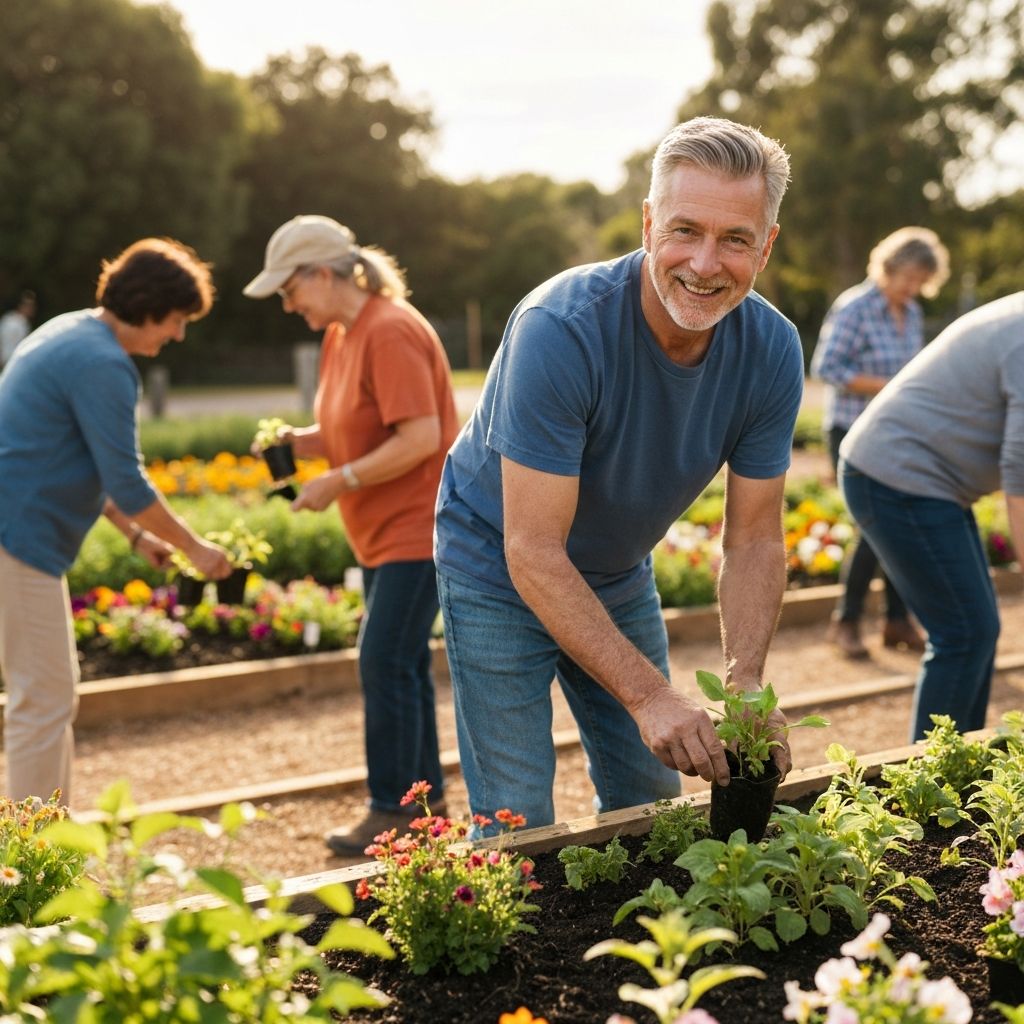
Social Dynamics
Social relationships and community connections may shift during different life phases. Educational content explores these dynamics from sociological and cultural perspectives.
Life Balance Concepts
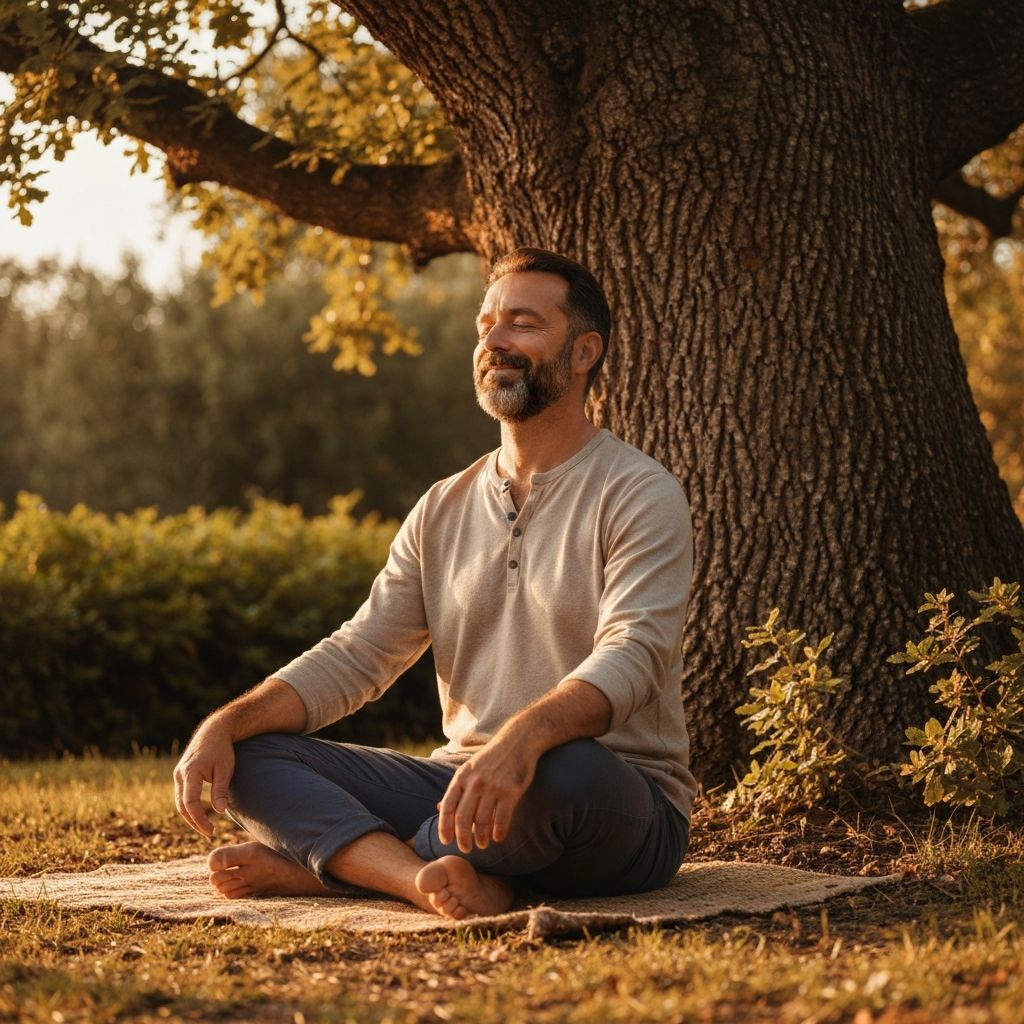
The concept of balance in daily life is discussed in various educational frameworks. Different approaches and philosophies address how individuals navigate competing priorities.
Content Limitations
The challenges and topics described are general in nature. Individual experiences vary significantly. This educational content does not address specific personal situations.
Frequently Asked Questions
Common questions about the educational content presented on this resource.
Vitalis provides general educational information about wellness concepts for men over 40. The content is informational in nature and describes general topics from educational literature. We do not provide personal advice, recommendations, or services.
No. The educational content on Vitalis is for general information purposes only. It does not replace consultation with qualified professionals for personal matters. Individual circumstances require individual consideration.
Content is developed based on publicly available educational materials and general wellness literature. We aim to present information in a neutral, educational manner without promoting specific approaches or outcomes.
No. Vitalis is an educational resource only. We do not sell products, services, programs, or consultations. The site exists solely to provide informational content about wellness topics.
The content is created for general readers interested in educational information about wellness topics related to men over 40. The information is presented at a general educational level accessible to a broad audience.
Contact Information
For inquiries about the educational content on this resource, you may reach us through the following channels.
Vitalis
Jl. Melati No. 88, Surabaya 60234, Indonesia
Phone: +62 813 67 905 421
Email: [email protected]
Contact form submissions are for general inquiries only. We do not provide personal consultations or recommendations.
Send a Message
Continue Exploring
Discover more educational content about wellness topics and lifestyle contexts.
Learn About This Resource